How to Plan a Successful Corporate Incentive Travel Program
Corporate incentive travel has become one of the most effective tools companies have for rewarding top performers, strengthening culture, and driving results. Unlike a cash bonus, which is spent and forgotten, a well-designed travel experience creates memories, deepens relationships between colleagues, and reinforces a message: your work matters, and we noticed.
But a successful incentive program doesn’t happen by accident. It takes structured planning, the right destination, and a partner who can execute flawlessly on the ground. Here’s how to think through the process — and what a real 3-day Amsterdam program can look like from arrival to departure.
Travel rewards consistently outperform cash bonuses when it comes to motivating and retaining top talent. When high performers return from an extraordinary trip, they bring back more than a good story — they bring renewed energy, stronger bonds with teammates, and a deeper connection to the company’s mission. Organizations that invest in structured incentive travel see the results in sales performance, retention, and team cohesion.
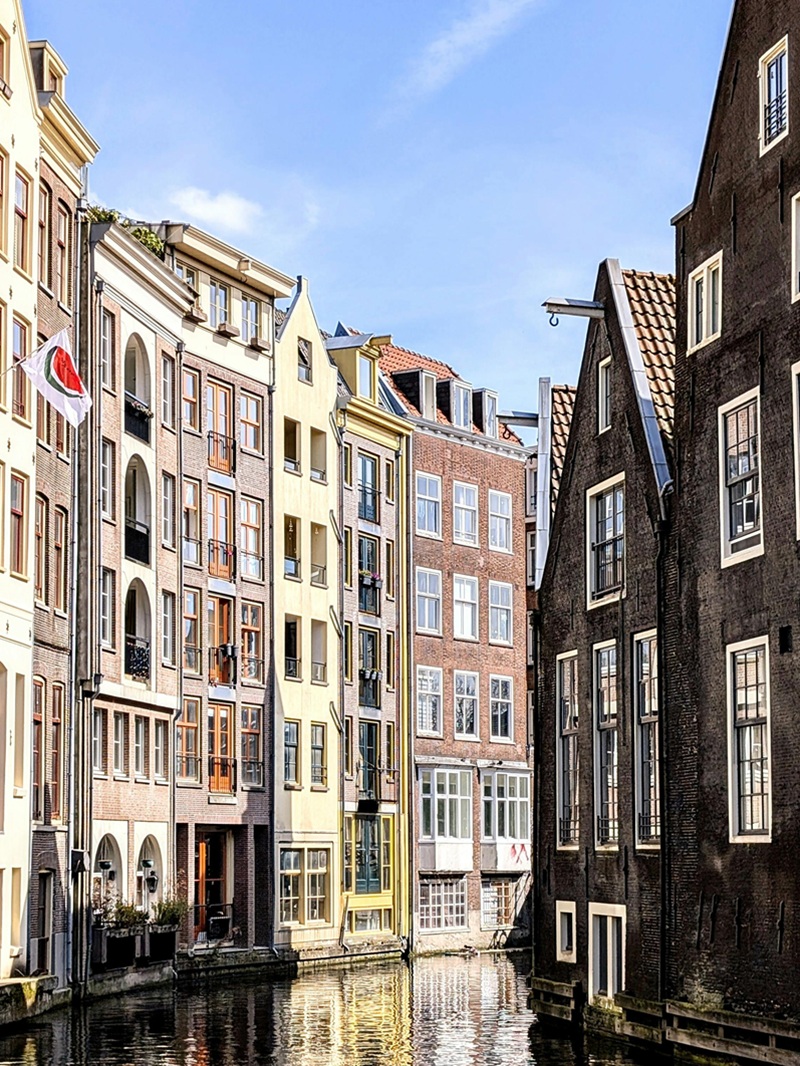
The Netherlands, and Amsterdam in particular, has become one of Europe’s most compelling incentive destinations. It combines the accessibility of a major hub — Schiphol connects directly to over 300 destinations worldwide — with a compact, walkable city where venues, hotels, and experiences are rarely more than 15 minutes apart. Add world-class museums, canal culture, and easy access to Rotterdam, The Hague, Delft, and the windmill villages of the countryside, and you have a destination that never feels generic.
Why Incentive Travel Works:
Step 1: Start With the Objective, Not the Itinerary
Before a single venue is booked, the most important question is: what does success look like? Is this program built to boost Q4 sales? Retain your top 10%? Celebrate a company milestone or a strong year? The objective shapes everything downstream — the size of the group, the tone of the program, the balance between celebration and business content.
This is also the stage to define your group profile: how many attendees, their seniority level, whether partners or spouses are included, and what budget parameters you’re working within.
Step 2: Build the Concept and Proposal
Once objectives are clear, the next step is translating them into a tailored program concept — not a generic template, but a specific flow of venues, experiences, and a budget breakdown that reflects your goals. This is where the itinerary starts to take shape: how many days, which destinations, what mix of team activities, recognition moments, and free time.
Step 3: Coordinate Every Supplier Under One Plan
A great incentive program depends on dozens of moving pieces working in sync — hotels, private transportation, restaurants, guides, AV production, entertainment. Managing these separately is where programs fall apart. The stronger approach is a single master plan with one point of accountability for every supplier relationship, so nothing falls through the cracks between the airport transfer and the final gala dinner.
Step 4: Execute On-Site, From First Arrival to Last Departure
However detailed the planning, a program is only as good as its execution. This means having a team physically on the ground from the moment the first flight lands to the moment the last delegate checks in for departure — managing transfers, timing, weather contingencies, and the hundred small details that let your leadership team focus entirely on their people instead of logistics.
Step 5: Debrief and Improve
The program doesn’t end at the farewell breakfast. A proper close-out includes budget reconciliation, a summary of attendee feedback, and recommendations to make the next program even stronger. This turns every incentive trip into a learning cycle rather than a one-off event.

How SkyMar DMC Fits Into This Process?
A Real 3-Day Amsterdam Incentive Program
Here’s what a complete program can look like when every element is designed around a group’s goals — from arrival to the final departure transfer.
Day 1 — Arrival & Amsterdam Immersion
Morning/Afternoon:
– Private arrivals coordination at Schiphol Airport, with dedicated transfers to the hotel
– Hotel check-in, with a welcome package waiting for each guest — itinerary, city map, and a selection of Dutch treats to set the tone from the first moment
Evening:
– Dinner at one of Amsterdam’s renowned restaurants
– After-dinner drinks to close out the first night
Day 2 — Culture, Recognition & Celebration
Morning:
– Breakfast at the hotel
– Company keynotes or business content, if the program includes them
– A team building activity designed to build collaboration and energy for the rest of the trip
Afternoon:
– Lunch in Amsterdam’s city centre
– A private guided tour of the Rijksmuseum, one of the world’s great art museums, followed by a boat tour departing from the dock directly across from the museum — a striking way to see the city from the water right after stepping out of it
– Free time for guests to explore on their own
Evening:
– Gala dinner and award ceremony — the emotional centrepiece of most incentive programs, where top performers are formally recognized in front of their peers
– Optional evening stroll or a guided Amsterdam nightlife tour for those who want to keep the night going
Day 3 — Countryside & Beyond Amsterdam
Morning:
– Breakfast at the hotel
– Full-day excursion into the Dutch countryside and surrounding cities: Zaanse Schans windmill village, with its iconic windmills and traditional cheese and clog craftsmanship.
Afternoon:
– Lunch during the excursion, with cheese sampling and a stop at a traditional Dutch farm
– Visits to Volendam and Marken fishing villages.
Evening:
– Final gala or activity dinner, designed as a closing celebration where colleagues reflect on the trip together
– After-dinner drinks to send the group off on a high note
Closing — Check-Out & Departures
Morning:
– A closing breakfast meeting with brief company remarks or a final presentation
– Hotel check-out
– Private departure transfers back to Schiphol Airport or train stations, timed to each guest’s flight or travel schedule
After the Program — The Debrief
Once delegates are home, the work isn’t finished. A structured debrief brings together budget reconciliation, a summary of attendee feedback, and clear takeaways for the next program — turning a single successful trip into the foundation for an even better one next time.
Conclusion
A successful corporate incentive program is never just a trip — it’s a strategic tool built on a clear objective, a well-designed concept, tightly coordinated logistics, flawless on-site execution, and an honest debrief that feeds into the next cycle. Amsterdam, with its accessibility, compact scale, and the sheer range of experiences within a 45-minute radius — from windmill villages, world-class museums to the architecture of Rotterdam and the beautiful Delftware pottery in Delft— makes it one of the strongest destinations in Europe to bring that strategy to life.
Whether you’re planning a first incentive trip or refining a program that’s run for years, the difference between a good trip and a transformative one comes down to planning depth and execution quality. That’s the gap SkyMar DMC is built to close.
Ready to design your next incentive program? Reach out to SkyMar DMC to start the conversation.
Related Articles
Related

Amsterdam Is Closing the Door on Mass Tourism. Here’s What That Actually Means for Your Next Corporate Event
Every DMC blog wants to tell you why Amsterdam is a great destination for your next event. Almost none of them want to talk about the fact that the city itself is actively trying to have fewer visitors — and that shift is about to change how corporate events and incentive trips get planned here, whether the industry likes discussing it or not.

Why Amsterdam & the Netherlands Are One of Europe’s Top Destinations for Corporate Events and Incentive Travel
When evaluating destinations for our next high-stakes conference or corporate retreat, Amsterdam and the Netherlands demand serious consideration. The country is uniquely engineered for MICE operations, offering the precise infrastructure, global connectivity, and premium execution needed to guarantee a seamless, high-ROI event.
Canals and Clichés: Why Most Corporate Events in Amsterdam Fall Flat (And How to Actually Get It Right)
Open ten different brochures from event companies pitching Amsterdam, and you’ll see the same three photos: a canal at golden hour, a bike leaning against a bridge, and a wheel of cheese. Nice imagery. Not a strategy.