Canals and Clichés: Why Most Corporate Events in Amsterdam Fall Flat (And How to Actually Get It Right)
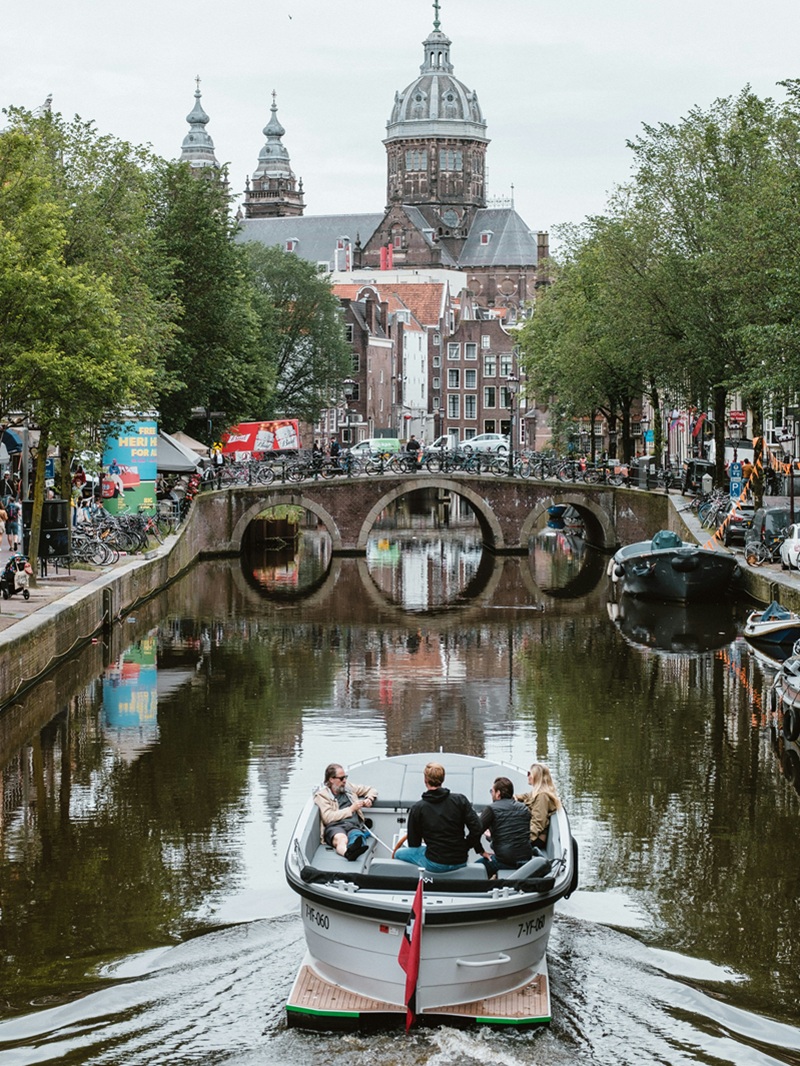
Open ten different brochures from event companies pitching Amsterdam, and you’ll see the same three photos: a canal at golden hour, a bike leaning against a bridge, and a wheel of cheese. Nice imagery. Not a strategy.
Amsterdam has become the default answer for “where should we hold our next corporate event,” and that popularity has a side effect: a lot of programs get built around the postcard instead of the people attending. The result is a wave of corporate events that look great on Instagram and feel completely forgettable to the people who actually flew in for them.

If you’re searching for a corporate event planner Amsterdam businesses actually trust with a serious budget, here are the mistakes quietly sinking otherwise well-funded programs — and what separates a real local partner from a pretty PDF.
Mistake #1: Treating “Amsterdam” as the Whole Strategy
“Let’s just do it in Amsterdam, everyone will love it” is not an event strategy — it’s a location. A canal cruise and a group dinner is a fine start, but if that’s the entire program, attendees who’ve been to three other European conferences this year will barely remember yours. The destination should be the backdrop for a program built around a clear objective — recognition, connection, learning, celebration — not a substitute for one.
The fix: Start with what you actually want attendees to feel or do differently afterward. Then build the Amsterdam-specific experiences that reinforce it. A canal cruise that ends with a private chef dinner tied to a specific milestone lands very differently than a generic boat tour bolted onto a conference agenda.
Mistake #2: Booking the Same Overexposed Spots Everyone Else Uses
Amsterdam’s most Instagram-famous venues and activities get booked by dozens of corporate groups a month. Attendees who’ve traveled for business before have often already done the standard canal tour or the same central-city venue used at three previous conferences. It’s not that these spots are bad — it’s that they stop feeling special the third time someone experiences them.
The fix: A local event management company Netherlands based has access to venues and experiences that don’t show up on the first page of a Google search — private canal houses, lesser-known maritime venues, or activities in Rotterdam and Utrecht that are a short train ride away and feel genuinely fresh to an international group.
Mistake #3: Ignoring the Dutch Events Calendar
Book your event during King’s Day (April 27) without planning for it, and you’ll be fighting citywide street closures and crowds for a program that needed calm, controlled logistics. Book during Amsterdam Dance Event in October without checking hotel availability months ahead, and you’ll pay a steep premium — if you can find rooms at all. Even peak tulip season (mid-March through mid-May) can spike hotel pricing significantly if you’re not planning around it.
The fix: Local calendar knowledge isn’t a nice-to-have, it’s risk management. This is exactly the kind of detail that separates a planner working off a map from one working off relationships and experience.
Mistake #4: DIY-ing Logistics From Abroad
It’s tempting to think you can coordinate a venue, a caterer, transportation, and an activity provider yourself over a few email threads from another country. Then a supplier goes quiet three weeks before the event, a permit turns out to be required for the outdoor space you booked, or your “20-minute” transfer between venues turns into 45 minutes because nobody checked Amsterdam’s traffic patterns during rush hour.
The fix: This is the entire reason destination management companies exist. An experienced DMC Amsterdam partner owns supplier relationships, knows which permits apply where, and has contingency plans ready before you ever need them — instead of improvising one at 11pm the night before.
Mistake #5: No Rain Plan (Seriously)
Dutch weather is unpredictable even in summer, and outdoor programming without a genuine backup plan is one of the most common — and most avoidable — ways an Amsterdam event goes sideways. “We’ll just move it inside somewhere” is not a plan; it’s a hope.
The fix: Every outdoor element of your program should have a pre-booked, pre-negotiated indoor alternative, decided before the event, not during it.
Mistake #6: Choosing a Vendor on Price Alone
When you’re comparing quotes from an incentive travel agency Netherlands wide, the cheapest number on the page often means the least experienced supplier network, the thinnest contingency planning, or hidden costs that surface once you’re already committed. Incentive travel in particular is not the place to shortcut — a poorly executed reward trip can do more damage to morale than not offering one at all.
The fix: Compare proposals on accountability and specificity, not just the bottom line. Ask what’s included versus pass-through, ask for references, and ask how they’ve handled a program that didn’t go according to plan. (For a deeper breakdown, see our guide on how to write an RFP and choose a DMC.)
Mistake #7: One Overworked Coordinator Instead of a Real Team
A single planner juggling venue negotiations, on-site logistics, and 40 attendee emails a day is a recipe for dropped details — not because they’re not good at their job, but because no one person can do it all at scale. When something breaks mid-event, you need someone dedicated to fixing it, not someone who’s also mid-negotiation with a different vendor.
The fix: Ask directly how many people will actually be on-site during your program, and what happens if two things go wrong at once.
What a Real Amsterdam Event Partner Looks Like
SkyMar DMC exists specifically to fix the pattern above. As a full-service destination management company based in Amsterdam, with 20 years of combined experience across Europe and North America, the approach is built around one accountable point of contact, a deep local supplier network beyond the obvious tourist spots, and contingency planning built in from day one — not improvised under pressure.
That covers the full range a serious Amsterdam program needs:
Destination management — full end-to-end planning and on-the-ground coordination
Corporate incentive travel programs — experiences your top performers haven’t already done three times
Meetings, conferences, and events — venue sourcing and on-site execution
Team building activities — beyond the standard scavenger hunt
Transportation — logistics planned around real traffic and real contingencies
Want the broader picture first? Start with what a destination management company actually does, or explore why Amsterdam and the Netherlands work so well for corporate events when the fundamentals are done right.
Frequently Asked Questions
Is Amsterdam overrated for corporate events?
No — but it’s often under-planned. The destination has genuine strengths (connectivity, venue variety, English fluency), but those strengths only pay off when the program is built around a clear objective instead of the destination alone.
What makes an event management company in the Netherlands worth the investment?
The value isn’t the venue list — it’s accountability. A strong local partner catches the permit issue, the calendar conflict, and the supplier who’s overbooked before any of it becomes your problem on event day.
How do I avoid picking an overexposed venue in Amsterdam?
Ask your planner directly how many corporate groups have used that venue or activity in the past six months. A DMC with a broad local network should be able to offer alternatives that still deliver the “wow” without the déjà vu.
Ready for an Amsterdam Event That Doesn’t Feel Like Everyone Else’s?
If your program deserves more than a canal photo and a hope for good weather, SkyMar DMC can help you build it right. Submit an RFP or get in touch — SkyMar DMC typically responds within 24 hours.
Related Articles
Related

Amsterdam Is Closing the Door on Mass Tourism. Here’s What That Actually Means for Your Next Corporate Event
Every DMC blog wants to tell you why Amsterdam is a great destination for your next event. Almost none of them want to talk about the fact that the city itself is actively trying to have fewer visitors — and that shift is about to change how corporate events and incentive trips get planned here, whether the industry likes discussing it or not.

Why Amsterdam & the Netherlands Are One of Europe’s Top Destinations for Corporate Events and Incentive Travel
When evaluating destinations for our next high-stakes conference or corporate retreat, Amsterdam and the Netherlands demand serious consideration. The country is uniquely engineered for MICE operations, offering the precise infrastructure, global connectivity, and premium execution needed to guarantee a seamless, high-ROI event.
Why Amsterdam Is a Top Corporate Incentive Travel Destination
If you’re weighing destinations for your next conference, incentive trip, or corporate retreat, Amsterdam and the Netherlands deserve a serious look. It’s not just canals and tulips